• Skip to primary navigation
  • Skip to main content
  • Skip to primary sidebar
YouFeelGreen

YouFeelGreen

Your green news

  • Home
  • Blog
  • Contact form

Gavilab

5 More Recycling Tips for Your Busy Family

February 20, 2019 By Gavilab Leave a Comment

Half the battle is knowing what can and can’t be recycled…

We all have a million little things to think about during the day but one thing that’s always worth our time is doing things that will help the environment for our children. Recycling is good for the environment for many reasons, for example, it saves energy, it reduces greenhouse gas emissions and it helps to reduce the amount of trash that is dumped in your local landfill. Here are 5 more recycling tips for your busy family.

Show your family what is recyclable. Half the battle is knowing what can and can’t be recycled in your local recycling program. By showing your kids what should be recycled you are empowering them to take part in the process. Have your family reuse their wrappings. Not only is reusing wrapping paper and gift bags better for the environment, it will save you money and the time it takes to run to the store for a last minute gift bag. Promote a giving attitude. When your kiddos outgrow that adorable outfit teach them to pass it on by donating it to a local charitable thrift store. Your family will be eliminating waste and reducing clutter. Be aware of where unwanted pharmaceutical products should be disposed of in your area. Remind your family that pharmaceutical products shouldn’t be flushed down the toilet, poured into the sink or put in the trash. Find out where you can dispose of unwanted medicines by looking it up here to find a drop off site near you. Taking care of this will help the environment while keeping your medicine cabinet neat and tidy. Start a family compost project. Yard waste can generate a lot of greenhouse gas in a landfill so start composting your yard waste. If your city provides curbside yard waste pickup, be sure you utilize the service. If not, start composting it yourself.

Check out these first 5 Recycling Tips for Your Busy Family at https://recyclenation.com/2017/06/5-recycling-tips-for-your-busy-family/.

First published on 2019-02-20 21:10:21
Original Source

Filed Under: family, Home and Garden, list, Recycling, recycling tips, tips

Ecological Inspirations: Crystal McMichael

February 20, 2019 By Gavilab Leave a Comment

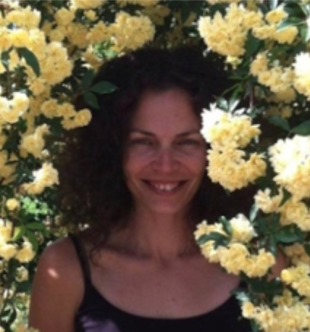
Screen Shot 2019-02-01 at 12.13.27.pngCrystal McMichael is an Assistant Professor in the Department of Ecosystem and Landscape Dynamics at the University of Amsterdam. Her research interests are focused on assessing long-term (100s to 1000s of years) ecological processes in tropical ecosystems, and how distributions of species (including people) have changed over those time scales.
Crystal is particularly interested in how tropical ecosystems have responded to past disturbance events, including climatic changes (i.e., drought) and past human activities (i.e., fire and cultivation). Current research topics include reconstructing fire and vegetation histories across northwestern Amazonian and Andean landscapes, modeling changes in the distribution of people in Amazonian and Andean landscapes over the last 14,000 years, and determining whether past human activities left lasting ecological legacies on tropical systems.

A random walk into the rainforests of South America

My professional career completely changed in 2007. At that point, I was an unhappy graduate student in Florida. I was working on a project that related changes in retinal structure and composition of the eye to changes in life history characteristics of sea turtles. The project was interesting enough, but I disliked the euthanasia and dissection of the turtles. In my second year, I was considering quitting my Ph.D., but then my teaching assistantship position was moved from Genetics to Community Ecology. It was there that I met Mark Bush, a Neotropical palaeoecologist. I didn’t know it at the time, but meeting him would change my life completely, and he would become the biggest ecological inspiration of my life.

ecoinspphoto1

Photo 1: This was my first coring experience! Here we were preparing the equipment to go out and core sediments from Lake Ayauchi, in the Amazonian rainforests of Ecuador. Left to right: Alejandra Restrepo-Correa, Rachel Hillyer, Crystal McMichael, Nikki Mosblech. Photo: Bryan Valencia (2007).

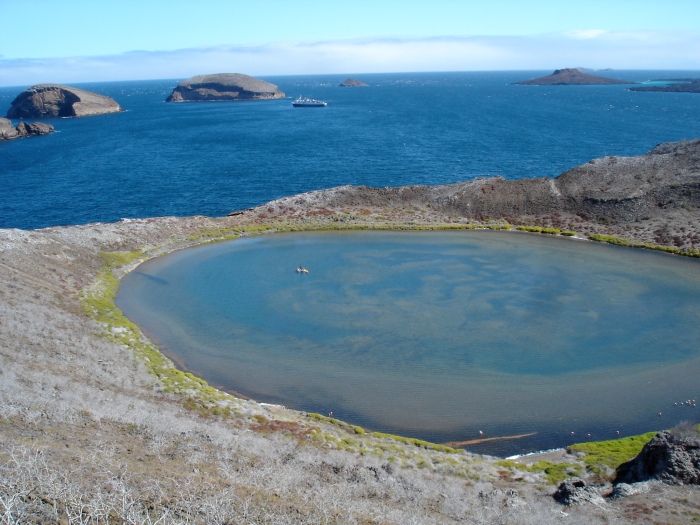
I began to read about Mark’s research and palaeoecology in general, and after many long discussions, he offered me a PhD position in his lab. In my first year (2007), he took a group of graduate students (including me) to Ecuador for fieldwork. I got the chance to core lakes and collect soil samples in the lowland Amazonian forests (Photo 1) and on two islands in the Galapagos (Photo 2). As someone who had always loved exploring nature, this was a dream come true! Seeing the forests and the islands exceeded all expectations, and I loved the physical challenge of the expedition. We had to hike all of the equipment (100s of kilos!) in and out of a caldera to reach our target lake on the island of Genovesa in the Galapagos (Photo 3). Physically, it was the most difficult thing I had ever done in my life, and I had even been at the gym training with my close friend/colleague Dunia Urrego (Photo 4) in the months beforehand! But the feeling after we successfully obtained those sediments and got everything back to the boat was incredible…empowering and inspiring. I’ve continued to run field expeditions to the tropics of South America since that summer. Spending time in the forests and interacting with the local people has shaped much of my research over the last decade. Many of my proposals and manuscripts originated from scribbles on mud-splattered sheets of paper that I wrote while in the forest!

ecoinspphoto2

Photo 2: We cored the lake on the island of Rocas Bainbridge in Galapagos. My colleague, Aaron Collins, is on the small yellow boat collecting measurements on lake depths. Photo: Bryan Valencia (2007).

My Ph.D. tested ideas that were put forth in Michael Heckenberger et al.’s 2003 Science paper, “Amazonia 1492: Pristine forest or cultural parkland?” and in Charles Mann’s book (2005) “1491: New revelations of the Americas before Columbus”. These controversial works refuted the long-standing idea that Amazonian forests were virgin and pristine until Europeans arrived to the American continent. But then many scholars immediately leapt towards the other extreme. In one instance, it was suggested that “If one wants to recreate pre-Columbian Amazonia, most of the forest needs to be removed, with many people and a managed, highly productive landscape replacing it” (William Woods, as quoted in Romero, 2012).

Eco Insp Photo 3.jpg

Photo 3: We had to hike the equipment in and out of the caldera for coring the lake on the island of Genovesa in Galapagos. You can even see where my shoes were taped up because the volcanic rocks shredded them!

This statement implies that most of Amazonia, which is ca. 6 million km2 in size, is simply ‘regrowth forest’ that had been cut down only a few hundred years ago. But most importantly, there were no empirical data to support this statement. The ideas put forth by Heckenberger et al. came from a few archaeological sites scattered across the vast rainforest – hardly enough evidence to claim that most of the trees in the forest had been removed. But this is only one example of many statements that were made with similar tones. Mark Bush and Miles Silman (who also mentored me during my Ph.D.) summarized the impact of these types of statements on conservation policy, particularly given the lack of any empirical data in their paper “Amazonian exploitation revisited: Ecological asymmetry and the policy pendulum” (2007). This paper paved the way for my Ph.D., so of course it had a huge impact on my early research.

Eco Insp Photo 4.jpg

Photo 4: My first expedition was a success. We were filthy and completely covered in mud, but we got the sediments! Mud bonds people – we are all still very close friends – and I consider all inspirations! Left to right: Dunia Urrego, Crystal McMichael, Bryan Valencia, Aaron Collins, Mark Bush. Photo: Bryan Valencia (2007).

Halfway through my Ph.D. (2010), I was awarded a short-term fellowship from Smithsonian Tropical Research Institute (STRI) to go and learn phytolith identification (silica microfossils used in palaeoecological and archaeological reconstructions) with Dolores Piperno, who was also on my Ph.D. committee. Dolores is a true inspiration; she is a member of the National Academy of Sciences, and wrote the books on phytolith analysis for palaeoecologists and archaeologists (Piperno, 2006, Piperno, 1988). I have learned so much from her, and we still work very closely together. While I was at STRI, I was also able to work with another person who has inspired my research: Joe Wright. Joe is one of the world’s leading experts in tropical forest ecology, and his 2005 paper “Tropical forests in a changing environment” suggested that the patterns observed in modern ecological inventories may reflect past disturbances originating from prehistoric people (i.e. fire and cultivation) or past climatic changes (i.e. drought events). This theme was, and still is, a focus of much of my research.

Basically, my closest mentors all came from different disciplines. Mark is a palaeoecologist, Miles and Joe are modern ecologists, and Dolores is an anthropologist, human ecologist and archaeobotanist. I also developed a keen interest in remote sensing and spatial analyses while I was a postdoc at the University of New Hampshire with Michael Palace. All of those disciplines still appear in my research, and approaching scientific questions with interdisciplinary datasets and analysis techniques is one of the things I enjoy the most in my work.

McMichael photo.jpgA more recent influence on my research was the paper on “Hyperdominance in the Amazonian tree flora” by Hans ter Steege, et al. (2013). This work suggests that only 227 of ca. 16,000 species compose half the individual trees in the forest, and thus only 1.4% of the total tree diversity (termed hyperdominant species) plays a disproportionately large role in the biogeochemical cycling of the Amazon rainforest. A large part of my research then became focused on addressing whether these patterns could result from past human disturbances, and whether hyperdominance patterns changed on timescales that exceeded ecological observation. One of the first papers to come out of this endeavor was mine and Mark’s (2016) paper in Journal of Ecology “Holocene variability of an Amazonian hyperdominant”, where we showed an example of one species, Iriartea deltoidea, had increased in its abundance mainly over that last several thousand years. The relative influence of prehistoric people versus increasing precipitation in shaping this pattern, however, remains unclear.

Iriartea deltoidea, a tropical palm species, is a long way away from the sea turtle retinas that I was studying in 2007. The random event where the university moved my teaching assistantship position into Mark Bush’s class gave me the opportunity of a lifetime, and I took full advantage of it. My mentors also inspired me to work hard during the process, and it has paid off. Almost twelve years later, I am still traveling to amazing field sites. I remain close with all of my colleagues from that first expedition in 2007 (Photo 4). I am working in a great university, and I am surrounded by colleagues (many of whom I also consider friends) and students, both in the Netherlands and abroad, who inspire me. As a whole, I feel like I have the best career anyone could ever ask for!

Crystal McMichael, Associate Editor of Journal of Ecology, University of Amsterdam, The Netherlands

Read more Ecological Inspirations on the Journal of Ecology blog.

Share this:

PrintEmailTweet

Like this:

LikeLoading…

First published on 2019-02-20 09:00:09

Original Source

Filed Under: Ecological Inspirations, The Ecology Journal, Women in Science

SIBECOL: A new Iberian Ecological Society is born!

February 18, 2019 By Gavilab Leave a Comment

sibecol

SIBECOL 2019: the 1st Iberian Ecological Society Meeting

Earlier in February in sunny Barcelona more than 700 Ecologists gathered to celebrate the First Iberian Ecological Society meeting.

This is a great achievement for science at large, as more than ever we need strong societies that can catalyze high-level research and help transfer this knowledge to society. I think that ecology should play a key role in shaping the future and for that we need to be well organized. For historical reasons, Iberian ecologists were scattered among different sub-disciplines (terrestrial, marine, limnology, evolution…) and different countries (Spain and also Portugal), but collaboration is essential to face scientific and social challenges in an optimal way, and especially challenges related to global change. Hence, the long need for a joint society for southern Europe ecologists has been filled by SIBECOL and the first meeting was an amazing experience.

The plenary talks were led by a diverse and balanced mix of top young and senior researchers from different disciplines. To highlight a few, Carlos Duarte’s talk on how we can save the oceans was an inspiring and positive note for conservationists, and Sara Magalhaes and Oscar Godoy provided strong evidence that young researchers are advancing ecological theory at impressive rates. Another session that I enjoyed was the full-day on multiplex networks with lots of cutting-edge ideas on how to understand species interactions in space and time.

Follow SIBECOL closely, and make sure to attend the next meeting (Aveiro, Portugal, 2021) for more top-notch science. The sunny weather and great food are only value added.

Ignasi Bartomeus, Associate Editor of Journal of Ecology

Follow Sociedad Ibérica Ecología: @SIBECOL

Share this:

PrintEmailTweet

Like this:

LikeLoading…

First published on 2019-02-18 08:50:38

Original Source

Filed Under: Conferences, Ecology Community, The Ecology Journal

10 Fun Facts about Recycling

February 4, 2019 By Gavilab Leave a Comment

We’ve put together 10 fun facts about recycling to make sure you know it really is worth the extra effort.

Doing your part to reduce your waste, reuse items when possible and recycle materials when appropriate, helps lessen your impact on our environment. We’ve put together 10 fun facts about recycling to make sure you know it really is worth the extra effort.

Every time a ton of paper is recycled it saves 17 trees, 380 gallons of oil, three cubic yards of landfill space, 4,000 kilowatts of energy and 7,000 gallons of water. (Source: 32trash.org) Recycling just a single aluminum can saves enough energy to catch up on your favorite album on your music device and recycling 100 aluminum cans saves enough energy to keep the lights on in your bedroom for two weeks. (Source: goevergreenllc.com) There are over 80 billion aluminum cans used each and every year around the world. You can recycle aluminum over and over again. (Source: conserve-energy-future.com) Making new paper from recycled materials uses less energy than producing paper from virgin tree products and leaves more trees to absorb excess carbon dioxide. (Source: rubiconglobal.com) There will be 1.5 million new jobs generated in the U.S. when U.S. recycling levels reach 75 percent. (Source: Recycle Across America) Also, when U.S. recycling levels reach 75 percent, it will be the environmental and CO2 equivalent of removing 55 million cars from U.S. roads each year. (Source: Recycle Across America) Making recycled paper instead of new paper uses 64 percent less energy and uses 58 percent less water. (Source: 32trash.org) A single recycled plastic bottle saves enough energy to run a 100-watt bulb for 4 hours. It also creates 20% less air pollution and 50% less water pollution than would be created when making a new bottle. (Source: rubiconglobal.com) Americans use more than 67 million tons of paper per year, or about 580 pounds per person. (Source: 32trash.org) You can make 20 new aluminum cans from recycled material using the same amount of energy that it takes to make 1 brand new aluminum can. (Source: rubiconglobal.com)

First published on 2019-02-04 20:59:00

Original Source

Filed Under: aluminum, facts, fun facts, list, paper, plastic bottles, Recycling

5 Recycling Tips You May Not Know

January 21, 2019 By Gavilab Leave a Comment

Here are 5 recycling tips you may not know to get you started…

When thinking about what needs to go in your recycling bin and how it should be prepared, here are 5 recycling tips you may not know to get you started.

Before you even begin putting recyclables into your recycling bin, be sure you know what materials your local recycling program will accept. Every program is a little different so make sure to check so you don’t accidentally recycle something that will clog up the system. You should take the tape off cardboard boxes before you recycle them. If you don’t, the tape could get caught in the processing machine that boils recycled paper and filters out the trash, according to a recycling industry expert. (Source: The Spokesman-Review Newspaper) In general, you shouldn’t put any paper or plastic that is smaller than 3 inches into your recycling bin. Small pieces of paper like receipts or those fortune cookie fortunes need to be thrown away because they can’t easily be machine sorted. Be sure to flatten any cardboard or paperboard boxes you are putting in your recycling bin. Flatted boxes go through the recycling system more smoothly. Don’t throw paper shreds in your recycling bin. Shredded paper isn’t usually accepted by most city recycling programs. As always, check with your own local recycling program to see if yours accepts this material.

Be sure as you make purchases you buy products that are durable and won’t need to be recycled or thrown away quickly.

First published on 2019-01-21 20:55:08

Original Source

Filed Under: cardboard, list, local recycling program, Recycling, small pieces, tips

  • « Go to Previous Page
  • Page 1
  • Page 2

Primary Sidebar

Recent Posts

  • Free Blackjack Online: How to Play and Where to Discover It
  • The Excitement of Casino Slot Machines: A Guide to Playing and Winning
  • No Betting Casino Site Rewards: A Guide to Opening the Conveniences
  • Advantages of Online Casino Gambling
  • Play Slots Online For Free and Find the Best Slots Sites

Recent Comments

  • Viola on “HeartH” and Me
  • Viola on “HeartH” and Me
  • Emy on “HeartH” and Me
  • Stefania Bartolo on “HeartH” and Me

Archives

  • June 2025
  • May 2025
  • April 2025
  • January 2024
  • June 2020
  • May 2020
  • April 2020
  • July 2019
  • June 2019
  • May 2019
  • February 2019
  • January 2019

Categories

  • 168
  • aluminum
  • Announcements
  • Applied Ecologist
  • Australia
  • Author post
  • beaver
  • Bioenergy
  • blog
  • books
  • Britain
  • C&I
  • canopy
  • cardboard
  • climate change
  • coevolution
  • Community Solar
  • competition
  • Conferences
  • conservation
  • Dartmoor
  • DER
  • Ecological Inspirations
  • Ecological Reviews
  • ecology
  • Ecology and Evolution
  • Ecology Community
  • Editor's Choice
  • education
  • Energy Efficiency
  • Energy Storage
  • Europe
  • evolution
  • facts
  • family
  • favorites
  • food production
  • food security
  • forests
  • fun
  • fun facts
  • HeartH
  • herbivory
  • Home and Garden
  • horizon scan
  • Hydropower
  • journal of ecology
  • kids
  • Lifestyle
  • list
  • local recycling program
  • Microgrids
  • model
  • moorland
  • mosquito
  • News
  • Off-Grid
  • Onshore
  • Opinion & Commentary
  • paper
  • pathogens
  • Pathogens and disease
  • people and nature
  • Perspectives
  • pine marten
  • plant ecology
  • plants
  • plastic bottles
  • Project Development
  • reading
  • Recycling
  • recycling tips
  • reintroduction
  • Renewable Energy
  • Research Summary
  • Rewilding
  • rice
  • Rooftop
  • salinity
  • salt-tolerant rice
  • Scotland
  • sea eagle
  • self-willed nature
  • small pieces
  • soil
  • Solar
  • spatial spread
  • Special Features
  • speciation
  • spring cleaning
  • Storage
  • sustainability
  • sustainable
  • teaching
  • The Ecology Journal
  • tips
  • Top 5
  • UK
  • Uncategorized
  • wild boar
  • Wind Power
  • Wolbachia
  • Women in Science
  • Zika

Copyright © 2026 · Made by Gavilab