• Skip to primary navigation
  • Skip to main content
  • Skip to primary sidebar
YouFeelGreen

YouFeelGreen

Your green news

  • Home
  • Blog
  • Contact form

gk104

75 MW of community solar coming to Illinois in Ameren, ComEd territories

July 10, 2019 By gk104 Leave a Comment

Arlington, VA based Summit Ridge Energy (SRE) announced that it will acquire 11 projects from Pivot Energy in Illinois totaling 29 MWs, increasing SRE’s portfolio of community solar projects in the state to more than 20.

Pivot developed 29 MWs that won Adjustable Block awards, and will be contracted by SRE to handle customer acquisition and management for those projects.

“We have been fortunate to work with SRE on these projects, which are some of the first community solar arrays in the state,” said Pivot’s CEO, Rick Hunter. “Pivot is committed to our project communities and the Illinois market for the long run, and we’re glad to have a partner with the same mentality in SRE.”

Mark Raeder, SRE’s Principal in the Midwest, said the company plans to construct over 75 MWs of community solar in Illinois alone over the next 18 months. “We’re breaking ground on several projects in Ameren service territory this summer, with construction activities beginning in ComEd shortly thereafter. With favorable renewable energy legislation likely to pass in Springfield this fall, we’re continuing to acquire projects across the state, serving to further expand our presence and demonstrate our strong commitment to the Illinois market.”

“Both Summit Ridge and Pivot have been active in the Illinois market since well before the launch of the Adjustable Block Program,” said SRE CEO Steve Raeder. “Our funding vehicle, Summit Ridge Capital, coupled with Pivot’s customer aggregation platform, SunCentral, will enable thousands of customers to realize the financial benefits of community solar across Illinois.”

[Native Advertisement]

The recent expansion of community solar programs across 20 states to date has become the catalyst to America’s commercial solar industry, presenting tremendous opportunity for customers who want the cost and environmental benefits of solar without installing panels on their roof. Community solar provides reduced electricity costs for consumers, regardless of their socioeconomic status or geographic location, protects the environment, and reduces our dependence on fossil fuels.

First published on 2019-07-10 14:23:23

Original Source

Filed Under: Community Solar, DER, Microgrids, News, Renewable Energy, Solar

Driven by China, global investment in clean energy falls

July 10, 2019 By gk104 Leave a Comment

Gerald Porter Jr., Bloomberg

Worldwide investments in clean energy projects have hit a six-year low.

Global spending totaled $117.6 billion in the first half of 2019, down 14% from a year earlier and the least since 2013, according to a report by BloombergNEF. Investments slowed in all three major markets — the U.S., Europe and China — but China’s decline was especially pronounced as the country continued its shift away from subsidies for solar and wind power.

The slide in spending underscores how much sway China holds in the global market for renewable energy. Despite a 39% plunge in investments, the country remains by far the world’s biggest clean-energy spender with deals totaling $28.8 billion in the first half. Its decision to pull back subsidies was also the chief reason for a drop in global spending last year.

“The slowdown in investment in China is real,” said Justin Wu, head of BNEF’s Asia-Pacific region.

Some possible good news for the clean energy industry: Spending may pick back up in the second half of the year as an auction for solar power in China triggers a “rush” of project financing and some big offshore wind deals come through, Wu said.

Spending in some countries including Japan and India rose. And despite the drop in Europe, investments in both Spain and Sweden took off, jumping by more than 200% in both countries.

[Native Advertisement]

First published on 2019-07-10 13:39:13

Original Source

Filed Under: Bioenergy, Energy Efficiency, Hydropower, News, Renewable Energy, Solar, Storage, Wind Power

The amorphous, heterogeneous spatial spread of Wolbachia

July 9, 2019 By gk104 Leave a Comment

Penelope A. Hancock presents recently published work on ‘Predicting the spatial dynamics of Wolbachia infections in Aedes aegypti arbovirus vector populations in heterogeneous landscapes‘.

Uncertainty surrounding density-dependent mosquito population growth rates prevents us from predicting the outcome of mosquito control interventions. A timely example is the introduction of Wolbachia bacterial infections into wild Aedes aegypti populations, the major vector of the dengue, Zika and chikungunya viruses. Wolbachia suppresses the ability of mosquitoes to transmit these viruses to humans. Once introduced, it spreads via a driving mechanism that allows the bacteria to infect a higher proportion of mosquitoes over successive generations of the mosquito population.

Field releases of Wolbachia into the wild Aedes aegypti populations in Cairns, northeast Australia, resulted in surprising patterns of spatial spread that were highly variable and difficult to predict. We developed a new mathematical model incorporating the results of experimental studies of density-dependent dynamics in this mosquito species. The model produces patterns of spatial spread that show similar features to those observed in the natural populations of Cairns (see animation below). Spatial spread is slow and amorphous, with the Wolbachia advancing further in some directions than others.

Variability is the norm

High variability in fundamental demographic traits, such as survival and fecundity, is characteristic in Aedes aegypti mosquito populations. Body size, as measured by wing length, shows a wide range of values over a typical sample of individuals collected from the field (Figure. 1A). This variation is important because body size is closely associated with fecundity in female mosquitoes, an essential parameter in models of mosquito populations and how they respond to interventions. Experiments conducted in field-caged mosquito populations show a close relationship between female body size, fecundity and the level of density-dependent competition that the mosquito experiences during its larval development stage (Fig. 1B). In addition, the time it takes for larvae to develop into adults is also strongly density dependent. This means that density-dependent dynamics need to be accounted for when predicting mosquito generation times, and in modelling the spread of Wolbachia from generation to generation.

Figure 1Figure 1. A. Wing lengths of female mosquitoes sampled from the field and the field cage. B. Female fecundity (red) and larval development time (blue) resulting from different larval densities.Putting it all together

Our experimental studies of density-dependent demographic relationships have enabled the development of a mathematical model that represents variation in mosquito numbers across space and time. The model was able to produce patterns of spatial variation in mosquito abundance that are similar to those seen in field populations (Figure. 2A). We also found that the rates of spatial spread of Wolbachia predicted by the model were similar to those observed following the field releases conducted in northeast Australia (Figure. 2B). Our models can help interpret Wolbachia field release dynamics by allowing the effects of environmental and demographic heterogeneity to be considered.

Figure 2Figure 2. A. The number of pupae per house, observed in the field and predicted by the model. B. The observed spread of Wolbachia at two sites in Cairns in comparison to the model prediction.
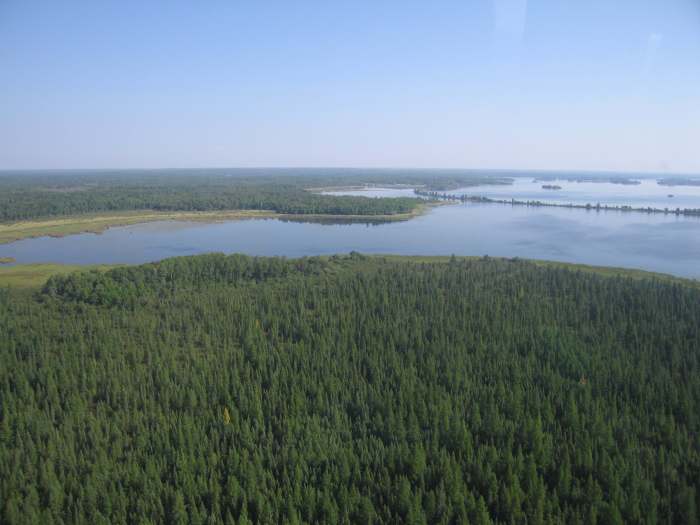
Figure 2. A. The number of pupae per house, observed in the field and predicted by the model. B. The observed spread of Wolbachia at two sites in Cairns in comparison to the model prediction.

Read the full article, ‘Predicting the spatial dynamics of Wolbachia infections in Aedes aegypti arbovirus vector populations in heterogeneous landscapes‘ in Journal of Applied Ecology.

Photo by Kmaluhia

Share this:

TwitterFacebookLinkedIn
Like this:

LikeLoading…
Related

First published on 2019-07-09 08:00:50

Original Source

Filed Under: Applied Ecologist, Australia, model, mosquito, pathogens, Pathogens and disease, Research Summary, spatial spread, Wolbachia, Zika

Positive effect of climate change on canopy trees does not translate to forests

July 8, 2019 By gk104 Leave a Comment

Yong Luo and colleagues recently had their paper published in Journal of Ecology. Read more about their work below.

Global change ecologists have often used trees under weak competition to examine relationships between climatic change and tree growth. Scaling up these results to a forest relies on the assumption that the climatic change-tree growth relationship is not affected by tree-level competition; especially the competition gradient from dominant trees to suppressed trees in a forest stand.

young_luo

Read the full paper online: https://doi.org/10.1111/1365-2745.13228

By using permanent sample plot data from the central Canadian boreal forest region, where warming did not result in water deficit, Dr. Yong Luo and his colleagues found that growth increased over time for trees under weak competition, but decreased for those under strong competition. The divergent temporal trends among trees under different levels of competition led to a non-significant change in growth at the plot level. Growth increased with regional warming, atmospheric [CO2] and water availability for trees under weak competition, supporting the hypothesis that tree growth of a boreal forest is limited by heat, water and atmospheric CO2, and climate change has positive effect on tree growth. However, for those under strong competition, the tree growth is generally negatively related to climate variables.

The results suggest that upscaling the growth responses of dominant/codominant trees to climate change to a forest or a region can lead to overestimates. Furthermore, the study suggests that increases in carbon sequestration associated with climatic change-enhanced forest growth may be weak in forests where water deficit is not an issue. Finally, the study sheds light on a mechanism of climate change-associated tree mortality. Trees experiencing weak competition grow more rapidly in response to climate change, in turn enhancing their competitiveness and further suppressing the growth of smaller trees that were already experiencing strong competition.

Yong Luo, Lakehead University & University of British Columbia, Canada

Read the full paper online: Climatic change only stimulated growth for trees under weak competition in central boreal forests

Share this:

PrintEmailTweet

Like this:

LikeLoading…

First published on 2019-07-08 10:11:41

Original Source

Filed Under: Author post, canopy, climate change, competition, ecology, forests, journal of ecology, plant ecology, plants, The Ecology Journal

Do latex and resin spur diversification? Re-examining a classic example of escape-and-radiate coevolution

July 1, 2019 By gk104 Leave a Comment

Michael Foisy and colleagues contributed a paper to our latest special feature: Macroevolutionary perspectives on biotic interactions. Find out more about their paper below.

A brief history of the project

When an insect chomps on a plant, sometimes the plant tissue will release latex or resin – a “goo” that can be toxic, difficult to digest, and a real nuisance for insect mouthparts. Latex and resin are stored in pressurized canals, which, when damaged, rupture and spill their contents out in dramatic fashion (Figure 1). These canal systems have evolved many times across plants, and play an important role in defence against herbivorous insects.

1

Rich latex exuded by Papaver somniferum (Papaveraceae), near Chihuahua, Mexico (Photo: Anurag Agrawal).

In 1991, Farrell et al. conducted a now classic study testing whether plants with these pressurized canals are more diverse than closely related plants without canals. Their results were striking: 13 of the 16 comparisons revealed higher species richness when canals were present, supporting the prediction that plant defensive traits are associated with higher diversification rates (i.e. the accumulation of species over time, estimated as the net of speciation minus extinction) in plants.

Their study was one of the first to show strong support for a classic hypothesis about how coevolution between plants and insects could generate biological diversity (Ehrlich & Raven, 1964), and their work remains a prominently cited empirical example even today.

Retesting Farrell et al. 1991

In the three decades since the original study by Farrell et al. (1991), major changes to plant systematic relationships have occurred, and we now have phylogenetic comparative methods that go beyond the sign test they used. In particular, we can explicitly model trait evolution and/or diversification rates. Therefore, our goal was to reassess Farrell’s classic test of whether these defensive “goos” are associated with increased species diversity, but to do so using modern methods and data.

We collected data on the occurrence of latex and resin canals in approximately 300 families and 1000 genera of plants, and used these data (along with updated phylogenetic hypotheses for plant relationships) to test the association between canal evolution and lineage diversification rates. We tested this hypothesis at multiple scales: (i) between clades and (ii) within clades.

As usual, biology is complicated

When we updated and added to the Farrell dataset, interestingly, we no longer found strong support for a relationship between canal evolution and lineage diversification. This was surprising, and so we wanted to zoom in on some of these comparisons, to look at the tempo of diversification in relation to trait evolution.

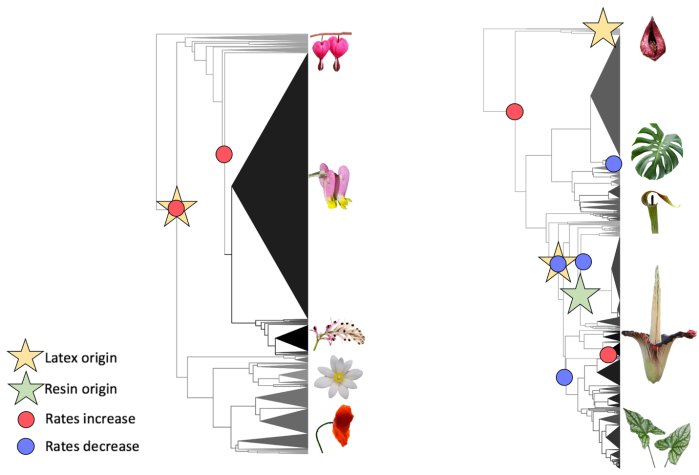
Within clades, we had enough data to look at two groups: Papaveraceae (poppies) and Araceae (arums). In poppies, the timing of latex evolution coincided with a burst of diversification; however, in Araceae, canal evolution appears to be entirely out of tempo with diversification.

2

Figure 2 (Read the full paper: https://doi.org/10.1111/1365-2745.13203)

Figure 2 is a simplified version of the figure from our paper. Canal origins are indicated by stars (yellow = latex, green = resin), while shifts in diversification rate are indicated by circles (red = increase, blue = decrease). The relative rates of diversification are shaded in grayscale (darker = higher rates). These data show that diversification coincides with latex evolution in poppies (left), but is uncoordinated with latex and resin evolution in arums (right).

Looking forwards

Thus, it seems that latex and resin canals may not be as consistently replicable drivers of lineage diversification across plants as we previously thought. Future studies could follow up on this work as more data becomes available, for example using more sophisticated models of trait dependent diversification, or taking other factors (such as clade age) into account. We are looking forward to the day that more data are available, so that this association can be even more rigorously examined in even more clades. But in the meantime, latex and resin remain super cool defensive traits with large consequences for plant fitness. Who doesn’t want a powerful goo weapon to fight their enemies?!

Michael Foisy, Loren Albert, Daniel Hughes & Marjorie Weber.

Read the full paper online: Do latex and resin canals spur plant diversification? Re-examining a classic example of escape and radiate coevolution

Share this:

PrintEmailTweet

Like this:

LikeLoading…

First published on 2019-07-01 13:25:53

Original Source

Filed Under: Author post, coevolution, ecology, Ecology and Evolution, evolution, herbivory, journal of ecology, plant ecology, plants, Special Features, speciation, The Ecology Journal

Volume 107 issue 4

June 26, 2019 By gk104 Leave a Comment

Volume 107 Issue 4 of Journal of Ecology is now available online!

vol107issue4

This latest issue of Journal of Ecology includes a special feature titled Macroevolutionary perspectives on biotic interactions. The special feature, edited by Richard Shefferson from University of Tokyo, Japan, consists of 8 research papers and an introductory editorial.

This issue also includes our annual Harper Review paper, written by Mahesh Sankaran from the National Centre for Biological Sciences, India, on the topic of droughts and tropical savanna vegetation.

The editor’s choice paper for this issue is by Amy Iler et al. and is about the effects of climate change‐induced early flowering in aspen sunflowers. You can read the author’s blog post to find out more about their work.

The cover image for this issue was taken by Benjamin Jackson and is related to De Long et al. The photo shows a mesocosm experiment investigating relationships between grassland plant above- and belowground traits and soil abiotic and biotic properties and was taken in Colt Park, Yorkshire Dales National Park, UK.

See below for some more fantastic photos submitted to the journal for this issue:

https://doi.org/10.1111/1365-2745.13160

https://doi.org/10.1111/1365-2745.13160
https://doi.org/10.1111/1365-2745.13158

https://doi.org/10.1111/1365-2745.13158
https://doi.org/10.1111/1365-2745.13146

https://doi.org/10.1111/1365-2745.13146
https://doi.org/10.1111/1365-2745.13158

https://doi.org/10.1111/1365-2745.13158

https://doi.org/10.1111/1365-2745.13158
https://doi.org/10.1111/1365-2745.13157

https://doi.org/10.1111/1365-2745.13157
https://doi.org/10.1111/1365-2745.13158

https://doi.org/10.1111/1365-2745.13158

https://doi.org/10.1111/1365-2745.13158
https://doi.org/10.1111/1365-2745.13151

https://doi.org/10.1111/1365-2745.13151
https://doi.org/10.1111/1365-2745.13158

https://doi.org/10.1111/1365-2745.13158
https://doi.org/10.1111/1365-2745.13151

https://doi.org/10.1111/1365-2745.13151
Share this:

PrintEmailTweet

Like this:

LikeLoading…

First published on 2019-06-26 14:17:44

Original Source

Filed Under: Announcements, The Ecology Journal

  • « Go to Previous Page
  • Page 1
  • Interim pages omitted …
  • Page 3
  • Page 4
  • Page 5
  • Page 6
  • Go to Next Page »

Primary Sidebar

Recent Posts

  • Free Blackjack Online: How to Play and Where to Discover It
  • The Excitement of Casino Slot Machines: A Guide to Playing and Winning
  • No Betting Casino Site Rewards: A Guide to Opening the Conveniences
  • Advantages of Online Casino Gambling
  • Play Slots Online For Free and Find the Best Slots Sites

Recent Comments

  • Viola on “HeartH” and Me
  • Viola on “HeartH” and Me
  • Emy on “HeartH” and Me
  • Stefania Bartolo on “HeartH” and Me

Archives

  • June 2025
  • May 2025
  • April 2025
  • January 2024
  • June 2020
  • May 2020
  • April 2020
  • July 2019
  • June 2019
  • May 2019
  • February 2019
  • January 2019

Categories

  • 168
  • aluminum
  • Announcements
  • Applied Ecologist
  • Australia
  • Author post
  • beaver
  • Bioenergy
  • blog
  • books
  • Britain
  • C&I
  • canopy
  • cardboard
  • climate change
  • coevolution
  • Community Solar
  • competition
  • Conferences
  • conservation
  • Dartmoor
  • DER
  • Ecological Inspirations
  • Ecological Reviews
  • ecology
  • Ecology and Evolution
  • Ecology Community
  • Editor's Choice
  • education
  • Energy Efficiency
  • Energy Storage
  • Europe
  • evolution
  • facts
  • family
  • favorites
  • food production
  • food security
  • forests
  • fun
  • fun facts
  • HeartH
  • herbivory
  • Home and Garden
  • horizon scan
  • Hydropower
  • journal of ecology
  • kids
  • Lifestyle
  • list
  • local recycling program
  • Microgrids
  • model
  • moorland
  • mosquito
  • News
  • Off-Grid
  • Onshore
  • Opinion & Commentary
  • paper
  • pathogens
  • Pathogens and disease
  • people and nature
  • Perspectives
  • pine marten
  • plant ecology
  • plants
  • plastic bottles
  • Project Development
  • reading
  • Recycling
  • recycling tips
  • reintroduction
  • Renewable Energy
  • Research Summary
  • Rewilding
  • rice
  • Rooftop
  • salinity
  • salt-tolerant rice
  • Scotland
  • sea eagle
  • self-willed nature
  • small pieces
  • soil
  • Solar
  • spatial spread
  • Special Features
  • speciation
  • spring cleaning
  • Storage
  • sustainability
  • sustainable
  • teaching
  • The Ecology Journal
  • tips
  • Top 5
  • UK
  • Uncategorized
  • wild boar
  • Wind Power
  • Wolbachia
  • Women in Science
  • Zika

Copyright © 2026 · Made by Gavilab